
The Last Samurai
Book Review

Sometimes you learn about what you do like by examining what you don’t like. And that’s my ominous introduction to my review of Helen DeWitt’s novel from 2000.
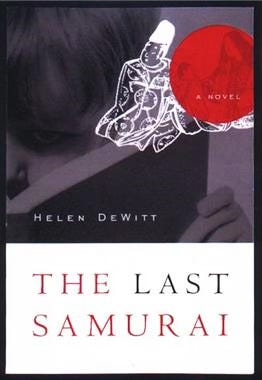
Sibylla is a single American mother living in London with her child prodigy son Ludo. No school is equipped to handle Ludo, who translated Homer at age 3 and spends most of the novel at age 11 searching for his biological father. Sibylla provides male role models for Ludo by renting the 1954 Japanese film Seven Samurai.
I found the characters not engaging, even unlikable at times - that might seem like a tough judgement about a kid, but Ludo demands being treated like an adult. There’s very little humor, and the plot pacing is slow. However, my primary objection to the novel is its glorification of native intelligence, specifically the prodigy-level intellect of Ludo. In the world of this novel, you’re either brilliant or dull; you can read dead languages by age 4, or watch Sesame Street. There’s nothing in between - it’s a black and white world, Sibylla and Ludo against everyone else. I see myself in that gray area between genius and mundanity, and not having that world acknowledged in this novel is disappointing.
I also found the references to Seven Samurai repetitive and overblown. After about the fourth time a chapter began with A good samurai will parry the blow, I began ignoring the quote.
I nearly gave up on this novel several times, and after completing it last November there was little I wanted to remember. This review was drafted that month, but I lacked the interest to finish it. I was also concerned about seeming like a Philistine, seeing as the novel has generated wide critical acclaim. Leaving this post in my Draft folder seemed silly, so it was time to speak my mind.