
Since the Bicentennial
Thoughts on what's happened the last fifty years

I’ve avoided writing about politics since The Fraud took office, but this date’s too meaningful to not make a comment.
In February 1976 my family drove a Winnebago from our home in Maine to Florida, with a stop in Washington DC along the way. The United States was observing its bicentennial, although visiting our nation’s capital seemed more obligatory than celebratory.
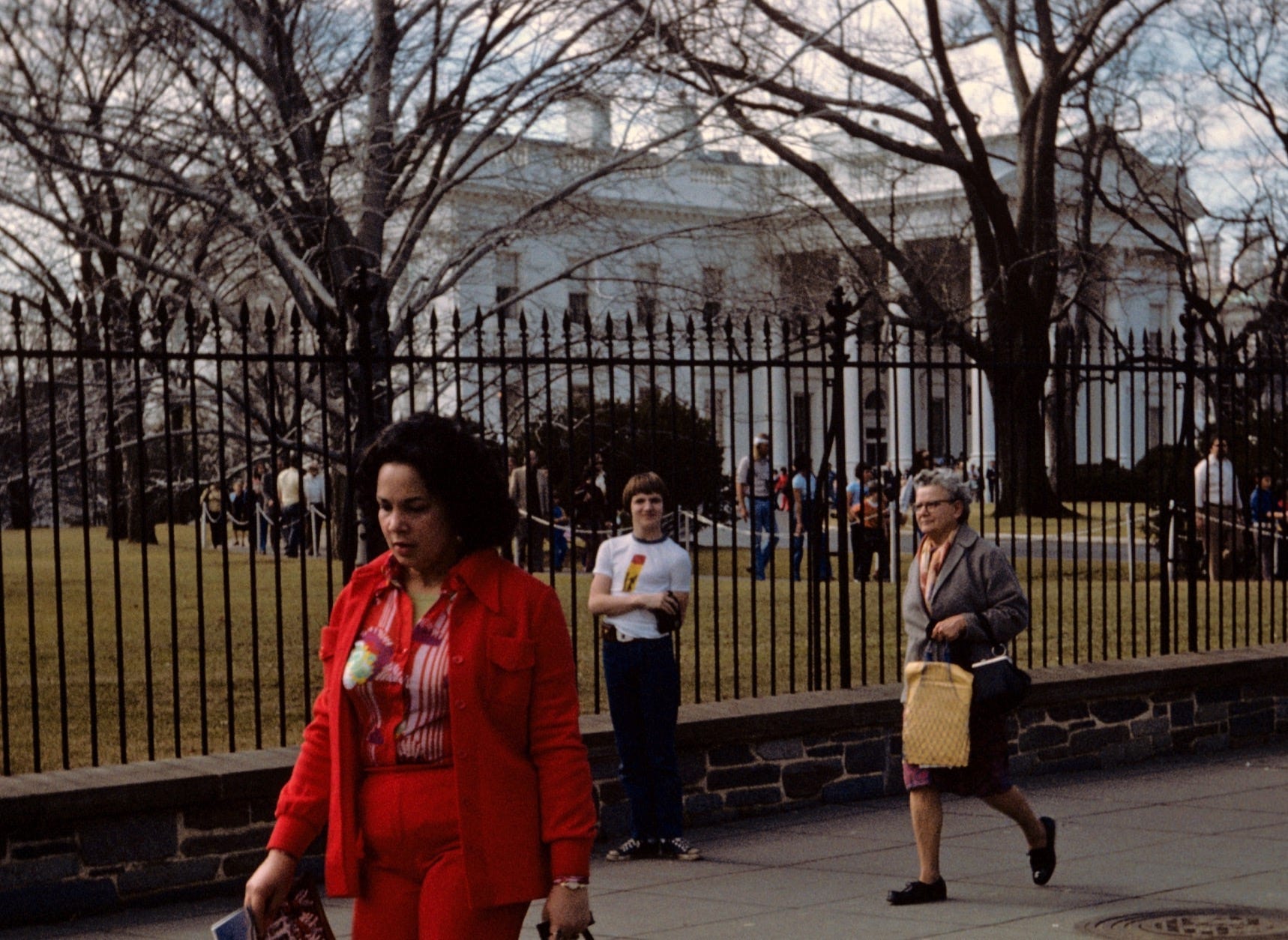
The country seemed mired in a slump for over a decade. The killing of President Kennedy in 1963 set off a series of political assassinations. President Nixon had resigned in disgrace in August 1974, and the following spring saw America’s involvement in the Viet Nam conflict end in a humiliating evacuation. The successful missions to the Moon and back provided a lift, but the national mood in 1976 was more cynical than patriotic. As my family and I visited the traditional landmarks, there was open doubt throughout the country about whether the United States would last another 200 years.
Half a century later, there’s even more reason to worry about the nation’s future.
Political contention has always been present, but debate intensity has reached dangerous levels in the last decade. Opinions are considered more important than facts, and loyalty is valued over integrity. Opponents have become enemies; opponents can disagree amicably, but enemies must fight until there’s one victor.
There’s been decades of speculation about the balkanization of the United States, but it now seems inevitable. Rather than a southern secession as in the 1860s, the revolt will likely start in the American Redoubt, the upper Rocky Mountain region favored by libertarians, survivalists, Christian Nationalists, and others who say they love America while hating most of its residents. If the federal government responds to separatist movements with a Waco-style overreaction, the insurrection could easily expand to other regions such as, yes, the southern states. If the states along the Atlantic and Pacific coasts are separated by rebels, multiple countries might emerge from the former United States. However, even the most rebellious states will have large urban areas that won’t be as eager to succeed. Instead of the North-South split in the Civil War, this conflict could be more urban versus rural.
I’m not optimistic on the 250th anniversary of the Declaration of Independence, but my prognostication skills are notoriously inept (which is why I don’t bet on sports). It’s entirely possible none of my dark predictions will come true. Perhaps adults in the room will settle the country’s noisy children, allowing the country to once again take advantage of its abundant resources and avoid disaster. That’s about the best hope I can offer the United States at this moment.